
Teaching young children means learning from them, their families and communities.
Foregrounding the value of play in the early years and how to set up environments for young children is vital if adults want to facilitate learning. This understanding of what intentional play means, and how it is intrinsically connected to learning, is the cornerstone of early childhood education. At DiversiThink, we believe that it is the adult’s responsibility to learn more about child-centered and child-led play.
Another cornerstone of good quality early childhood is the educator’s commitment to build environments for critical-inquiry, equity and justice in classrooms — something that needs to be developed over time. This can happen when we learn how to center children’s voices and respect them as valuable members of the classroom community.
The following sections highlight what we at DiversiThink find important, followed by some questions to think about.
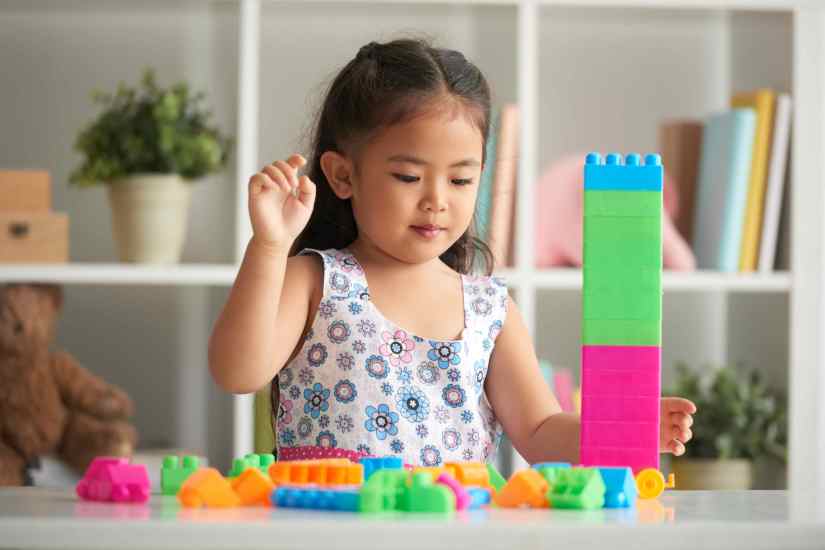
The Early Years
The early years (birth-8 years) are extremely valuable in the development of young children as they are making sense of the world around them and building relationships with the people in their world.
How can we support young children and facilitate positive experiences with them in the home and in the classroom?
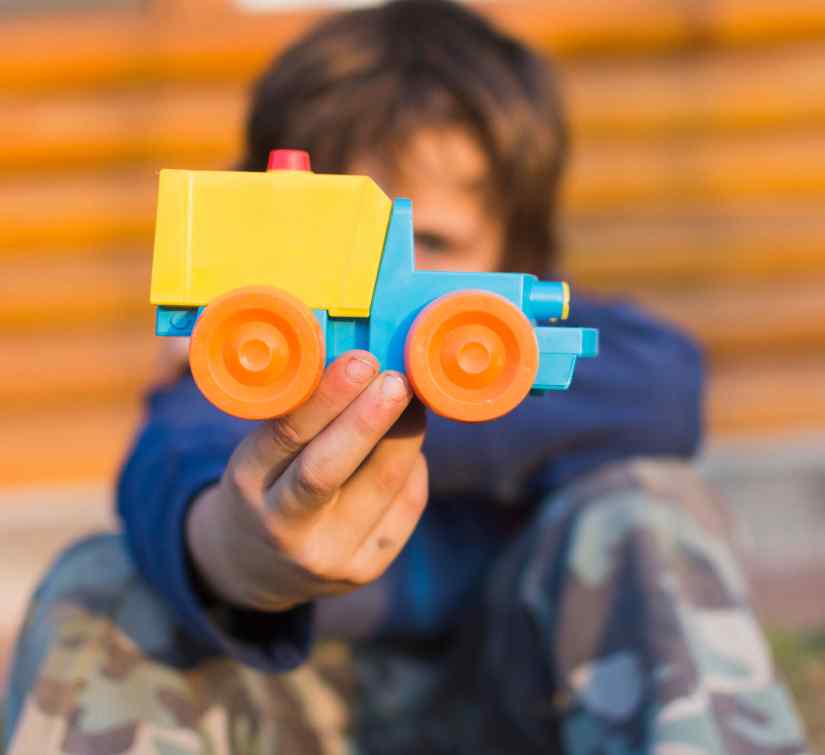
Value of Play
To understand how play is intrinsically connected to learning, we must realized that play has its own purpose and this purpose is different for each child.
What play environments are available and accessible to the young children we care for?

Multilingual Children
Thinking about the role that language plays in development is also vital as we discuss early childhood. Research has shown that bilingual and multilingual children develop better cognition and retention. They are also better equipped to communicate with more people, and communication is key to learning!
How do adults support the linguistic development of the young children in their care?
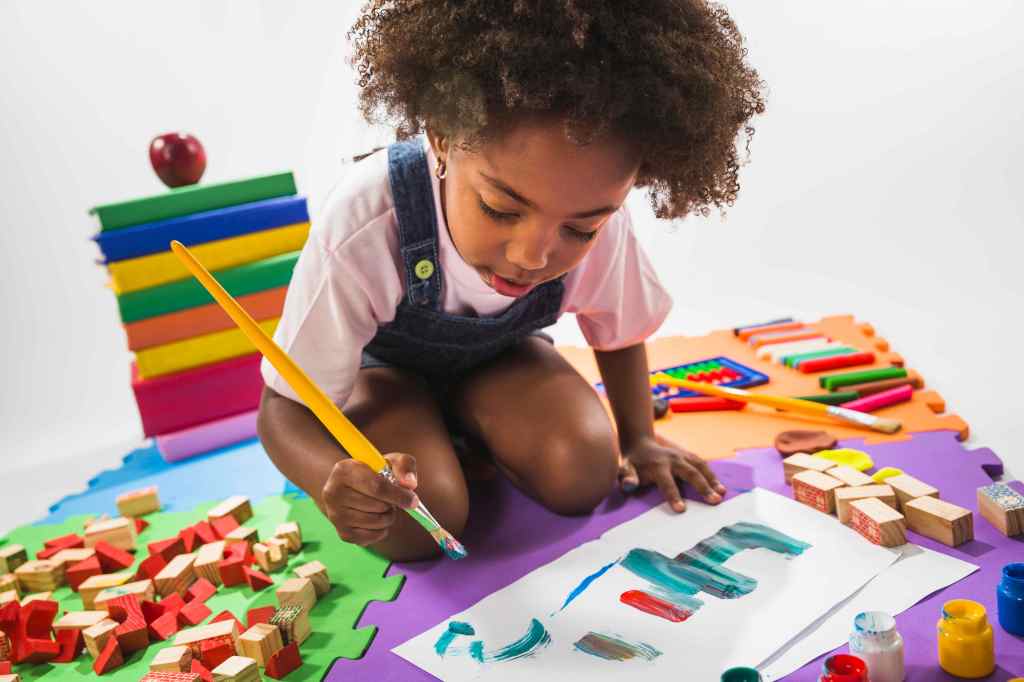
Arts Develop the Brain
Art and creative expression are essential elements to a holistic approach towards early childhood education. Focusing on the process of making art and not the final product, is an important distinction we educators need to keep in mind.
How can adults engage the children in creative expression and art-making?
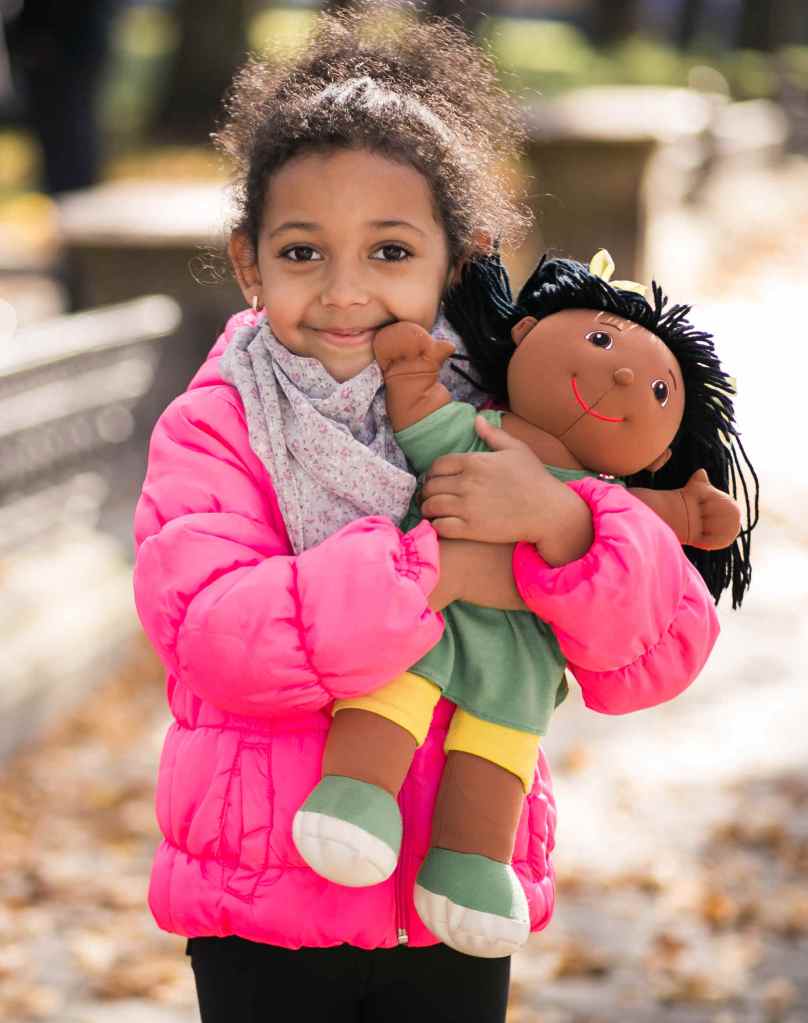
Using Appropriate Language
As educators and caregivers of young children we need to be mindful of the language we use when we talk to them or around them. Positive language helps build children’s confidence and shows that we respect their opinions and choices. Asking a child to do something is not enough unless we can explain why it needs to be done.
In what ways can adults re-think how we speak to children?

Learning from Children
Another vital element is learning from the children themselves and including their families and communities in the learning process. In this way, we can begin to engage in assets-based approaches such as culturally responsive, culturally relevant, and culturally sustaining pedagogy.
What are assets-based approaches to teaching young children?
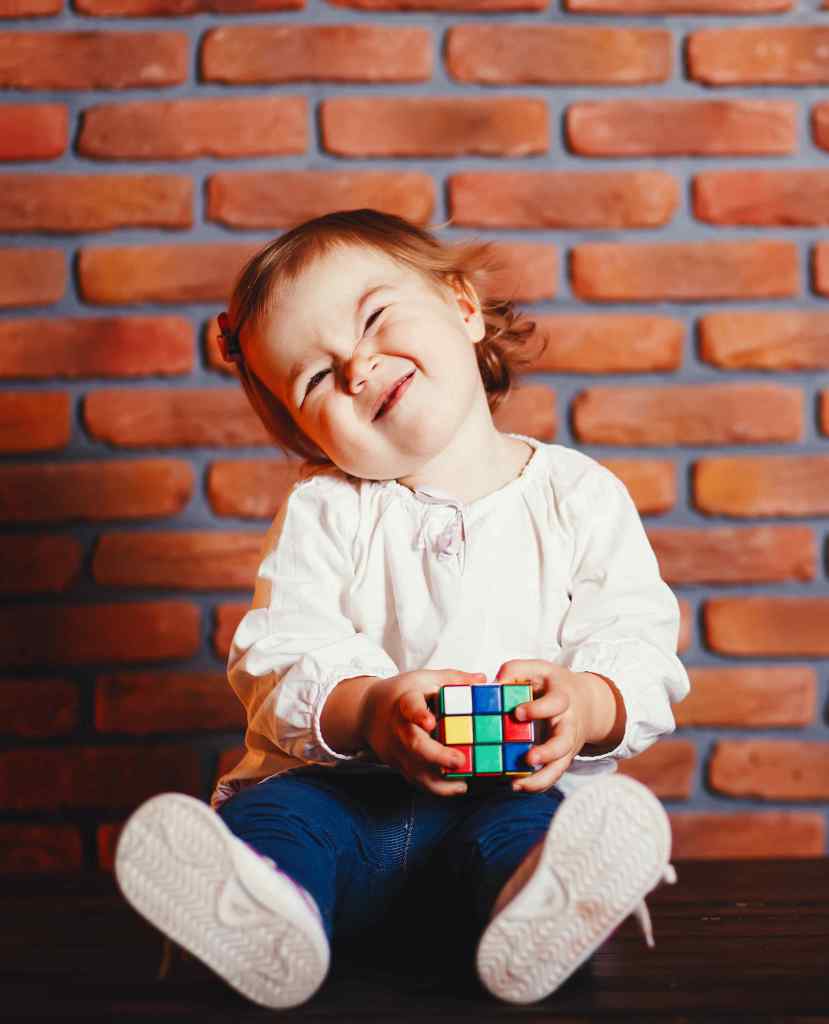
Areas of Development
Keeping in mind the areas of child-development: Cognitive Development, Social and Emotional Development, Speech and Language Development, Fine Motor Skill Development, and Gross Motor Skill Development, we need to consider how each child is culturally, linguistically, racially, and ethnically unique. We need to focus on this uniqueness and believe that every child is brilliant. Only then can we commit to equity and justice in education.
How can we create curriculum by learning from the uniqueness of each child in the classroom community?
 DiversiThink